
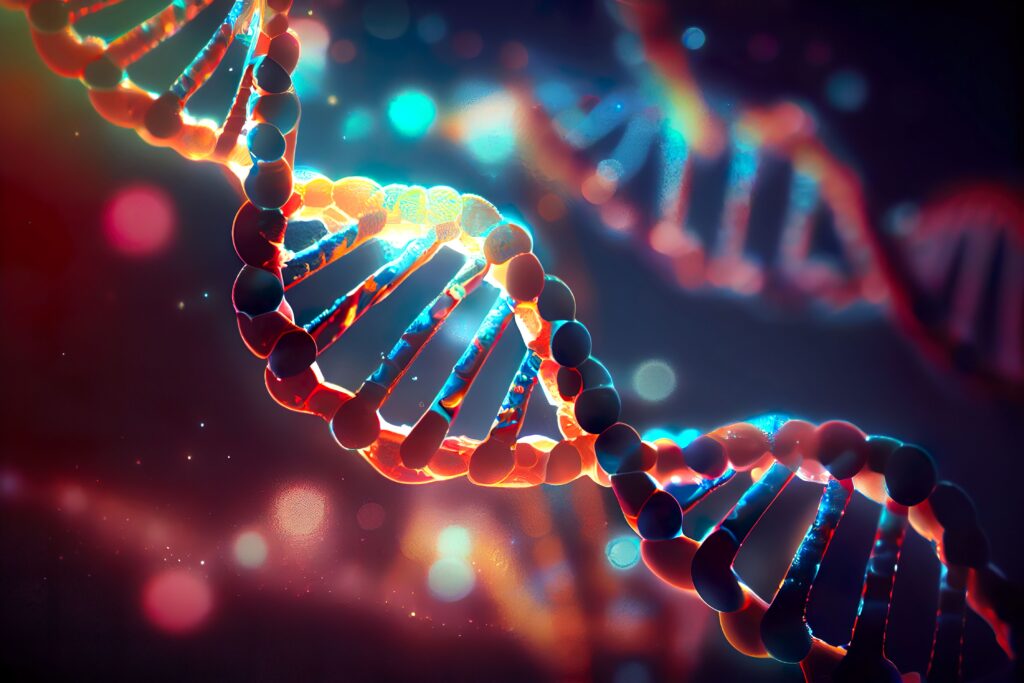
You may already know that genetics are responsible for your biological makeup and can affect everything from your skin, eye, and hair color to how tall you grow and how long you live. But many patients also wonder whether they might inherit other traits, such as poor dental health, from their parents.
If you’re curious about whether your genes can influence how likely you might be to develop common oral concerns, such as cavities and gum disease, or how to prevent them, continue reading to learn more!
What Causes Dental Problems?
Did you know that human mouths contain billions of bacteria representing hundreds of different species? Some of these aid with necessary processes, such as digestion, but others can be more harmful.
For instance, many common dental issues, like tooth decay or periodontal disease, develop when unhealthy bacteria overpower the protective ‘good’ germs in your mouth. As they thrive, they can erode your enamel or trigger or infection in your gums that can harm your smile. Unfortunately, if left untreated, it can also enter your bloodstream and contribute to other health concerns, such as diabetes or heart problems.
Can Oral Issues Be Genetic?
Have you ever noticed that people in your family seem prone to certain dental problems? This may be because genetic factors can affect your oral microbiome and, therefore, potentially impact your smile.
For example, sources have estimated that up to 30% of the population may be genetically predisposed to developing gum disease. Not only that, but certain inherited traits are also linked to a greater risk of developing cavities. There are also a few genetic conditions, such as amelogenesis imperfecta and dentinogenesis imperfecta, that affect tooth development and can cause the enamel to become brittle, fragile, or discolored.
How Can I Help Protect My Smile?
Thankfully, there are several proactive ways you can help safeguard your smile, regardless of the potential problems you might have inherited from your family, including:
- Implementing a hygiene routine. Brushing and flossing twice daily at home consistently removes plaque and bacteria that contribute to many common dental concerns.
- Choosing wholesome foods. Reducing your consumption of overly sugary or acidic foods can help preserve your teeth and gums, and enjoying more dairy products and citrus fruits can actively support them.
- Scheduling routine exams. Seeing your dentist every six months for a standard checkup and cleaning allows them to monitor your condition and treat any areas of concern before they become more problematic.
If you have additional questions or concerns about your current dental condition or how to improve it, you can learn more by scheduling an appointment with your oral healthcare provider!
Meet the Author
Dr. Dustin C. Lively has nearly 30 years of experience providing quality, faith-based dental care to enhance his patients’ lives. He graduated from the University of Oklahoma College of Dentistry, and today, is committed to continuing education so he can offer the most up-to-date treatment options. His caring and compassionate approach is combined with advanced technology to deliver accurate, comfortable results meant to last. You can request an appointment on the website or by calling (580) 782-2552.