

Over half of adults in the United States who are 30 or older have some form of gum disease. This all-too-common condition is a threat to your teeth, and if it’s left untreated, it might even contribute to heart disease and other health complications. At 333 Dental Care, we’ll diagnose problems with your gums as soon as possible and can offer treatment that will help protect your entire smile. You can schedule a checkup or a gum cleaning with us by contacting our office.
Gum Disease – Mangum, OK
Protect Your Gums, Protect Your Smile

Why Choose 333 Dental Care for Gum Disease Treatment?
- Local Dentist With More Than 20 Years of Dental Experience
- Identify and Treat Condition As Soon As Possible
- Emphasis on Patient Comfort
What is Gum Disease?
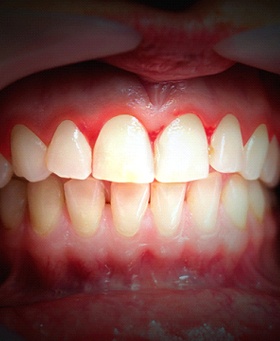
When bacteria enter your gum tissue, gum disease begins. The first stage is gingivitis. At this point, only the gums themselves are infected. It’s possible that the damage can be reversed with improved oral hygiene; that means brushing and flossing thoroughly twice a day and attending regular dental checkups and cleanings.
Eventually, the infection reaches the bone underneath the gum line, at which point gingivitis becomes periodontitis. Your gums will start to recede, exposing the roots of your teeth to the infection. Over time, the damage from gum disease could cause you to lose teeth altogether. Worse yet, there’s evidence to suggest that bacteria in your gums can enter the bloodstream and cause problems in your heart, brain and other body parts.
Diagnosing Gum Disease
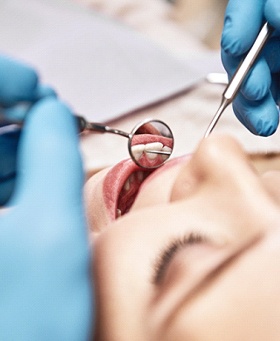
When you have gingivitis, your gums may become inflamed (meaning they’ll look red and swollen). You might also notice some bleeding whenever you brush, floss or eat something hard. Once gum disease has reached the periodontitis stage, you might see that your teeth look longer than they did before, which is a sign that the gums are starting to recede. Pus could form between your teeth and gums, and you could develop bad breath that won’t go away. Your teeth might feel loose and might even fit together differently, which can cause pain whenever you chew.
Unfortunately, in many cases gum disease won’t show any symptoms until it’s become advanced. That’s why you should have Dr. Lively examine and clean your teeth at least twice a year; that makes it more likely that gum disease will be caught while it’s still in the gingivitis stage.
Is Gum Disease Treatable?
If gum disease becomes periodontitis, you’ll need more than just a regular cleaning to treat it. We have a couple of options for periodontal therapy:
Antibiotic Therapy
Scaling & Root Planing
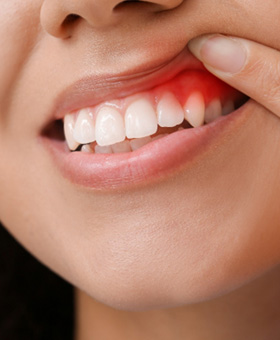
Gingivitis, the earliest stage of gum disease, can sometimes be halted or reversed by improving your at-home dental hygiene routine to include more frequent flossing. However, if it has already progressed, a professional deep cleaning is the next step to protect and preserve your connective tissues.
Dr. Lively and the rest of our team in Mangum can prevent your condition from reaching more advanced stages with scaling and root planning. Continue reading to learn more about this treatment and feel free to contact us for additional information or to schedule an appointment.
Do You Need Scaling & Root Planing?

Gingivitis can be challenging to identify on your own at home because it doesn’t always exhibit noticeable symptoms. Knowing what to look for can help you recognize when you may have an issue that requires Dr. Lively’s attention.
You might have a problem if you notice the following changes:
- You see or taste blood in your saliva after brushing or flossing.
- Your connective tissues have begun to recede from your enamel.
- You experience chronic bad breath, or halitosis.
- Your gums look darker or more swollen than usual.
- You can see visible residue buildup on your enamel where it meets your gumline.
The Process of Scaling & Root Planing
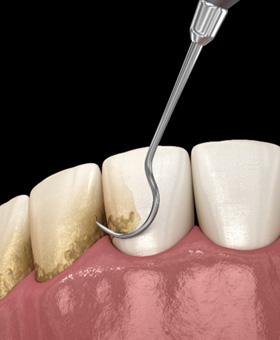
This deep cleaning typically requires two separate appointments to complete. During your initial visit, our team will use a special instrument called a scaler to remove even the most stubborn plaque, tartar, and bacteria from your teeth, including deep within the pockets of your gums.
Then, we’ll schedule a second procedure to smooth the roots of your teeth, which encourages your gum tissues to reconnect with the enamel and helps prevent bacterial deposits from reforming.
Aftercare Tips for Scaling & Root Planing

Deep cleaning your gums can be intensive, and it’s important to give your tender tissues ample time to recover. It’s normal to feel sore or sensitive afterward, and our team will provide instructions intended to help you heal as quickly and effectively as possible. Potential directions might include:
- Rinsing with salt water. This removes unwanted germs to naturally disinfect your mouth, helping avoid infections and soothing your tissues.
- Stick to softer foods. Eating anything overly hot, hard, crunchy, spicy, or acidic might trigger additional comfort. Options like eggs, yogurt, and applesauce are blander and don’t require as much biting and chewing.
- Clean your mouth carefully. Using a soft-bristle toothbrush and non-abrasive toothpaste can help avoid additional irritation and bleeding.
- Get lots of rest. Physical activities that elevate your heartrate and blood pressure prolong the healing process by drawing blood away from your gum tissues, and should be avoided.
Gum Disease Treatment FAQs
How common is gum disease?
It is believed that 4 in 10 adults aged 30 or older have some form of gum disease, according to the Centers for Disease Control and Prevention (CDC). An estimated 60% of adults aged 65 and older have periodontitis. Although men are more prone to the disease than women, it remains one of the most common oral health issues in the United States.
When you consider that many of the risk factors for gum disease are also health concerns, it’s easy to see why the rates for diabetes, poor oral hygiene, poor nutrition, and smoking are as high as they are.
Does gum disease ever go away?
Gum disease in Mangum can “go away” if symptoms are reversed early enough. This means catching the problem before it worsens. If the dentist discovers you have gingivitis, they will recommend regular dental cleanings and enhanced at-home oral hygiene. However, if it turns into periodontitis, you will likely experience bone or gum loss, making the situation “untreatable.” These structures cannot regenerate on their own, so treatment will focus on managing the symptoms of periodontitis.
If you are prone to gum disease due to genetics, our team may recommend more frequent dental care to help ensure your oral health remains in good shape.
Is gum disease a dental emergency?
Yes, even if your symptoms only indicate that it is in the early stages (gingivitis), it’s imperative that our team address the situation before it gets out of hand. Early treatment is the best approach to gum disease, especially since the prognosis for treating gingivitis is much better than for periodontitis.
Choosing to wait to see if your gum disease symptoms will improve or go away on their own will only lead to a more difficult situation to treat, and you may experience lasting damage.
Is mouthwash good for gum disease?
Using mouthwash to reduce bacteria and inflammation caused by gum disease is a good idea; however, you should not use it as a replacement for daily brushing and flossing. Good oral hygiene is essential to minimize your risk of bacterial buildup and gum irritation. If your mouthwash contains alcohol, remember that it can dry out your mouth, allowing bacteria to accumulate. If you need suggestions about which products you should use, do not hesitate to ask a member of our team